

Quick answer
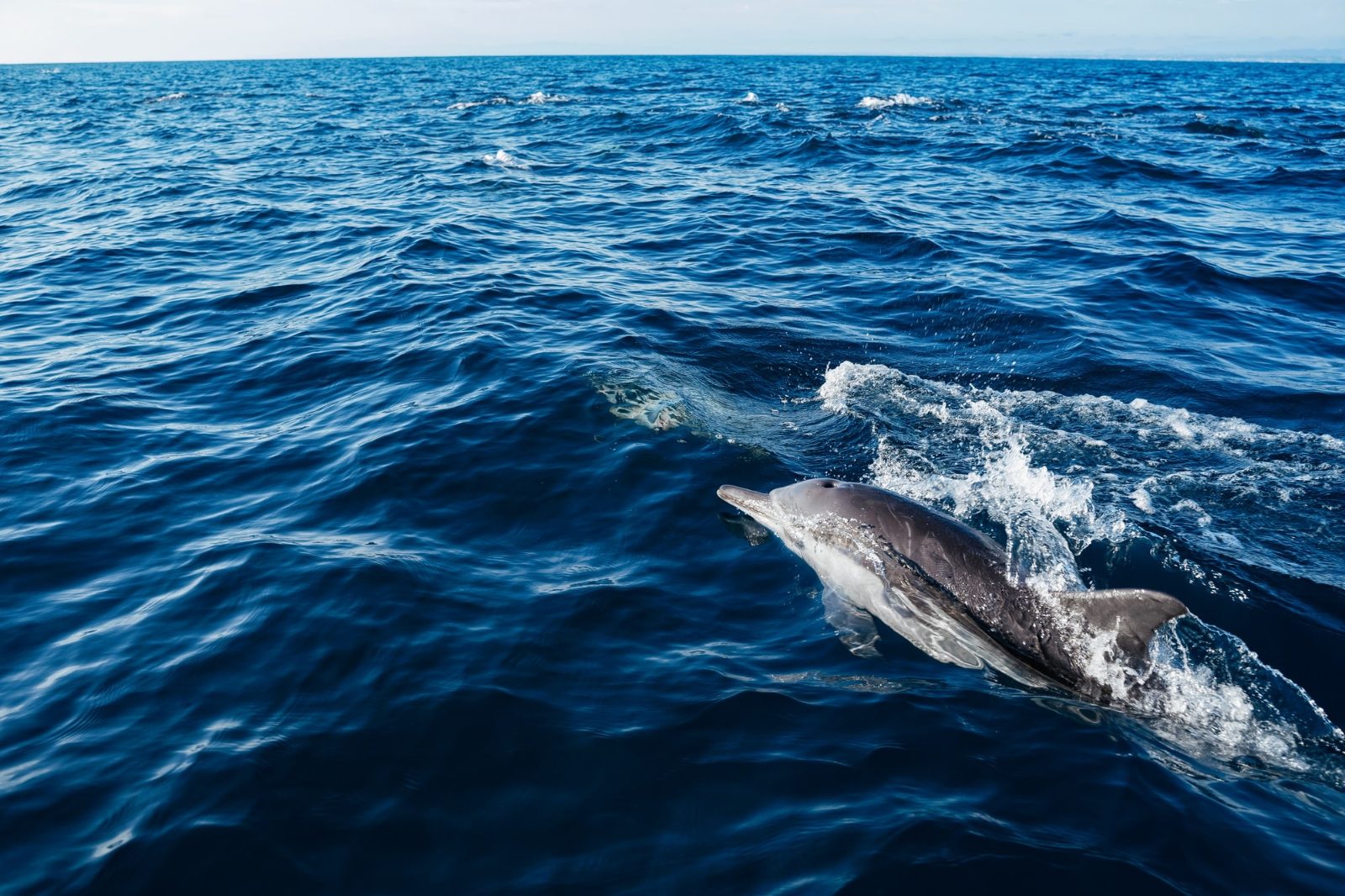
The best time to see dolphins in Myrtle Beach is early morning between 6:00 and 10:00 AM, or late afternoon from 4:00 to 6:00 PM, when water surfaces are calm and dolphins move inshore to feed. Spring through early fall (April to October) offers the highest activity as warmer Atlantic currents bring baitfish schools closer to the beach, though sightings occur year-round during the recommended arrival window of 6:00 AM to 6:00 PM.
Bottlenose dolphins in the waters off Myrtle Beach follow tidal feeding cycles that repeat twice daily, creating predictable windows when pods surface within view of the shore and charter boats. Water clarity peaks in the hours after sunrise and before sunset, when offshore winds settle and wave action flattens, making dorsal fins and tail flukes visible from greater distances. Shore-based observers standing on public beaches or piers during these periods consistently report sightings within 100 to 300 yards of the waterline, while boat-based excursions launched during morning or late-afternoon slack tides encounter pods actively herding mullet and menhaden. Seasonal shifts in Atlantic water temperature determine how close dolphins venture to the beach. From April through October, warmer currents between 72 and 82 degrees Fahrenheit draw dense baitfish schools into the nearshore zone, and dolphin pods follow. Summer months see the highest frequency of sightings within swimming distance of the shore, though midday heat and afternoon thunderstorms reduce surface visibility and push activity toward the early and late ends of the day. Winter sightings drop in frequency but remain possible during calm mornings when dolphins hunt in deeper channels just beyond the breaker line. Timing a dolphin-watching visit to Myrtle Beach means aligning your schedule with both the daily and seasonal rhythms that govern marine mammal behavior along the Grand Strand. Early risers who reach the beach or board a tour boat by 6:00 AM encounter glassy water and active feeding, while those arriving in late afternoon benefit from lowering sun angles that backlight surfacing dolphins and make blows easier to spot. Booking a guided boat tour during spring or fall captures peak activity without the summer crowds, and operators familiar with local tidal patterns position vessels where outgoing currents concentrate prey and, by extension, the dolphins that hunt them. Free entry to public beaches means shore-based watching costs nothing, though boat charters provide closer encounters and expert narration of pod dynamics. What is the best time to see dolphins in Myrtle Beach ultimately depends on whether you prioritize statistical likelihood or ideal observation conditions—spring mornings deliver both, but patient observers scanning the surf line during any calm dawn or dusk between March and November stand a strong chance of watching a pod arc through the waves within sight of the Carolina coast.
“Water clarity peaks in the hours after sunrise and before sunset, when offshore winds settle and wave action flattens, making dorsal fins visible from greater distances.”
Determining What Is the Best Time to See Dolphins in Myrtle Beach
The best time to see dolphins in Myrtle Beach is during the morning and late afternoon, when calm water and lower winds provide the highest visibility for spotting pods. The recommended arrival window is 06:00–18:00 to coincide with these environmental conditions.
Spring (April–May)
Moderate crowdsMild temps 70°F–80°F
Warmer waters encourage dolphin activity near the coast. Frequent sightings occur as marine life becomes more active.
Summer (June–August)
Peak visitor volumeHot temps 85°F–90°F
High boat traffic may affect visibility, so early morning departures are preferred. Dolphins are frequently active in the morning hours.
Fall (September–October)
Lower crowdsMild temps 75°F–82°F
Cooler air and water temperatures often lead to calmer seas. This period offers stable conditions for spotting.
Verdict: The best time to observe dolphins is during the spring or fall months, arriving between 06:00 and 18:00 to prioritize calm water conditions.
Official Operational Availability for What Is the Best Time to See Dolphins in Myrtle Beach
The operational availability for viewing areas and access points in Myrtle Beach remains consistent throughout the week. Public areas remain accessible at all hours to accommodate varying schedules.
| Monday | 00:00–23:59 | |
|---|---|---|
| Tuesday | 00:00–23:59 | |
| Wednesday | 00:00–23:59 | |
| Thursday | 00:00–23:59 | |
| Friday | 00:00–23:59 | |
| Saturday | 00:00–23:59 | |
| Sunday | 00:00–23:59 |
Understanding Costs for What Is the Best Time to See Dolphins in Myrtle Beach
The cost of viewing dolphins in Myrtle Beach depends entirely on whether you observe from public shorelines or participate in a guided boat excursion. Public beach access is free, while specialized dolphin watch tours require independent bookings with private operators.
Viewing from the beach costs 0 USD, while individual boat tour pricing varies based on the operator and excursion type selected.
A Sample Daily Plan for What Is the Best Time to See Dolphins in Myrtle Beach
This plan suits early risers looking to maximize dolphin sightings along Myrtle Beach's coastline. Expect to spend 4–6 hours between beach observation, a boat tour, and a relaxed afternoon watch.
Arrive at Myrtle Beach State Park
Park along the public access areas near the pier where dolphins often feed close to shore during the morning calm. Spend 30–45 minutes scanning the water from the beach or pier.
Board a Morning Dolphin Cruise
Join a scheduled boat tour departing from one of the nearby marinas—most operators run 90-minute trips that follow dolphin pods in their active feeding zones. Book in advance during peak season.
Breakfast Break in Myrtle Beach
Refuel at a beachfront café along Ocean Boulevard before the midday heat sets in. This window also lets you avoid the sun's glare on the water.
Walk the Shoreline Near 2nd Avenue Pier
Stroll north toward the pier, watching for dorsal fins in the surf zone where the water stays clear. Dolphins frequently patrol this stretch during the late morning.
Return for Late Afternoon Observation
Head back to the beach as the water calms again—this is the second optimal window for dolphin activity. Bring binoculars and position yourself near any fishing activity, which attracts baitfish and dolphins alike.
Expert Recommendations for What Is the Best Time to See Dolphins in Myrtle Beach
Maximize your chances of spotting Atlantic bottlenose dolphins by focusing on specific environmental cues and behavioral patterns.
Scan for diving birds
Watch for gulls or pelicans diving into the water, as they often congregate where dolphins are herding fish. This behavior indicates active feeding zones near the surface.
Observe tidal currents
Dolphins frequently patrol areas where tidal flows create eddies or move baitfish through inlets. Plan your observation for the period two hours before or after high tide.
Look for rhythmic surfacing
Instead of scanning the entire horizon, watch for the rhythmic arc of a dorsal fin breaking the surface. Dolphins often surface in a predictable pattern, moving in the same direction as the current.
Minimize surface glare
Position yourself with the sun behind you or at an angle to reduce glare on the water. Polarized sunglasses are essential for cutting through surface reflection to see beneath the water line.
Maintain a quiet demeanor
Dolphins are sensitive to engine noise and sudden movements. If viewing from a vessel or the shoreline, remaining still increases the likelihood of dolphins approaching or surfacing nearby.
Check availability
Frequently Asked Questions: Myrtle Beach Dolphin Watching
Everything you need to know about what is the best time to see dolphins in myrtle beach