

Quick answer
You cannot swim with dolphins in Myrtle Beach. The Marine Mammal Protection Act prohibits pursuing, feeding, or attempting physical contact with wild dolphins in U.S. waters. Myrtle Beach does not host any captive swim-with-dolphin facilities. Boat-based viewing tours remain the only legal way to observe Atlantic bottlenose dolphins along the Grand Strand, with early morning departures offering the calmest conditions and highest sighting rates.
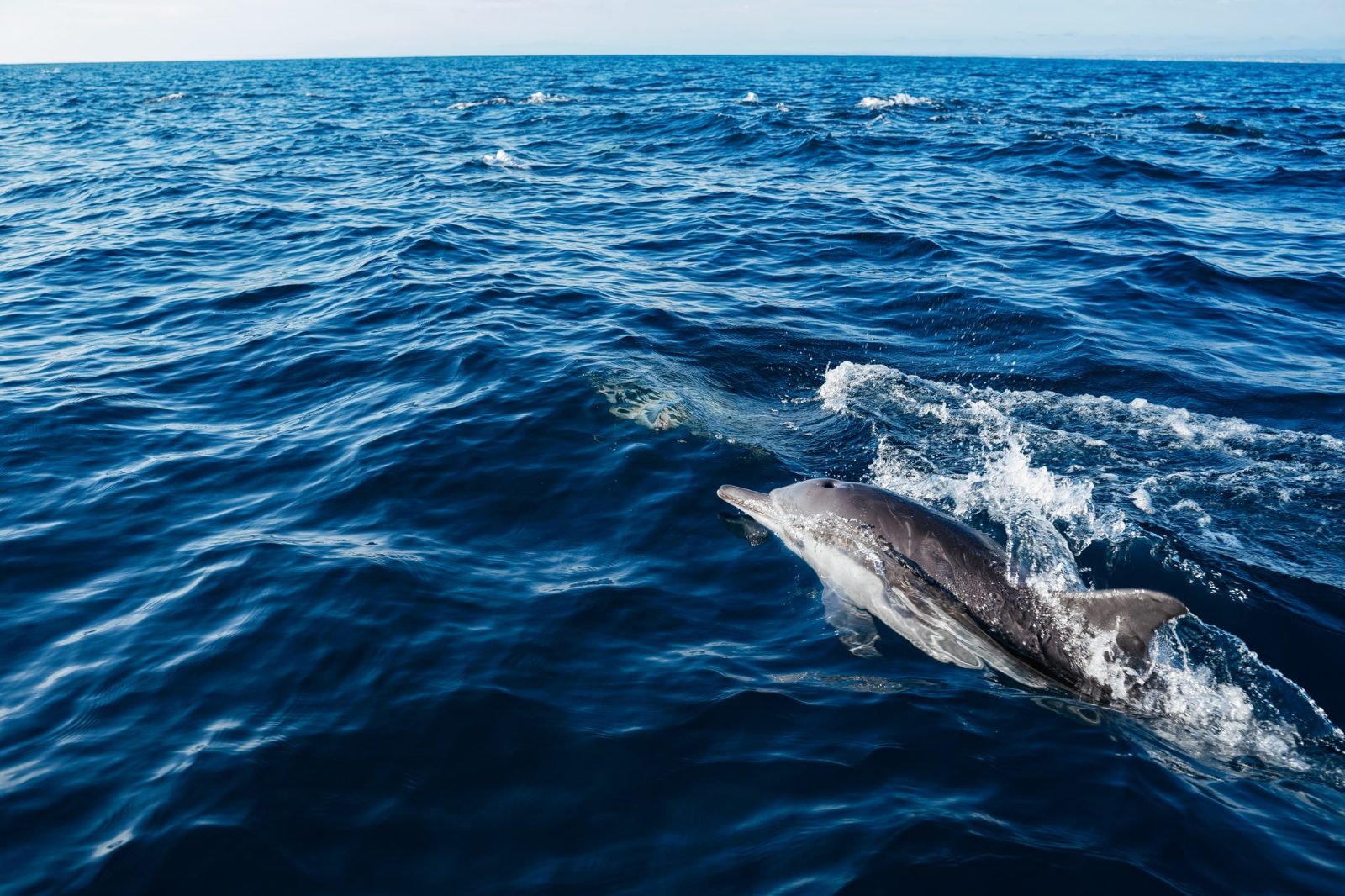
Atlantic bottlenose dolphins patrol Myrtle Beach waters every month of the year, most visibly between April and October when warmer currents draw baitfish closer to shore. The question of whether you can swim with dolphins in Myrtle Beach has a straightforward regulatory answer: federal law treats any attempt to approach, touch, or swim near wild marine mammals as harassment, carrying fines that start at $11,000 per violation. No commercial operator in the region holds a permit for in-water dolphin encounters, and South Carolina has never licensed a swim-with-dolphin attraction. The Grand Strand's dolphin population remains entirely wild. Pods of three to twelve animals move through the surf zone, the inlet channels near Murrells Inlet and Little River, and the tidal creeks threading behind the barrier islands. Sightings concentrate in the two hours after sunrise, when glassy water and feeding activity bring dolphins within 50 yards of the beach. Chartered boat tours leave from multiple marinas along the coast, running 90-minute loops that track dolphin movement without violating the mandatory 50-yard buffer zone. Tour operators work under observation-only protocols: engines idle or cut when dolphins surface nearby, and captains read the animals' behavior to avoid pursuit. Passengers see surfacing, spy-hopping, and occasional bow-riding when dolphins choose to approach the vessel. The experience depends entirely on the animals' behavior that morning—there are no trained dolphins, no structured interactions, and no guarantees of close proximity. What you gain is a sighting in context: wild dolphins hunting, socializing, and navigating the same tidal rhythms that shape the entire Carolina coast. Myrtle Beach dolphin watching in South Carolina functions as wildlife observation rather than contact tourism. The distinction matters both legally and practically, and understanding it shapes realistic expectations for any trip built around marine mammals.
“Atlantic bottlenose dolphins patrol Myrtle Beach waters every month of the year, most visibly between April and October when warmer currents draw baitfish closer to shore.”
Can You Swim With Dolphins In Myrtle Beach: The Reality
Swimming with dolphins in Myrtle Beach is not a legal or available activity. Regulations protect marine mammals in their natural habitat, ensuring that interactions remain at a respectful distance.
Marine Mammal Protection Act
The federal Marine Mammal Protection Act prohibits the harassment, hunting, capturing, or killing of marine mammals, which includes swimming with them in the wild.
1972 federal legislation
This act was established in 1972 to prevent the depletion of marine mammal populations due to human activity.
No swim programs
There are no licensed facilities or tour operators in Myrtle Beach that offer swimming or physical interaction with dolphins.
Dolphin spotting tours
Tour operators focus on observation from the deck, allowing guests to view dolphins in their natural environment without causing distress.
Animal welfare standards
Maintaining distance prevents behavioral changes in dolphins that can result from human interaction, such as altered feeding or social patterns.
Wild behavior preservation
Interacting with wild dolphins can disrupt their ability to hunt and socialize, which is why federal guidelines require boats to maintain a safe distance.
Conservation-focused education
Local tours prioritize educational experiences that teach visitors about the biology and conservation of Atlantic bottlenose dolphins.
Best Time For Dolphin Spotting Instead Of Can You Swim With Dolphins In Myrtle Beach
The best arrival window is 07:00–10:00, as early morning offers the calmest water conditions for dolphin spotting tours. This time frame maximizes visibility and provides a smoother experience on the water.
Spring (April–May)
Moderate crowdsMild temperatures 65°F to 78°F
These months offer comfortable air temperatures and active wildlife before summer humidity peaks.
Summer (June–August)
Heavy tourist volumeHot temperatures 85°F to 90°F
High demand necessitates booking well in advance for morning departures.
Autumn (September–October)
Low to moderate crowdsCooling temperatures 70°F to 82°F
Water remains warm while tourist density decreases significantly compared to summer months.
Weekday mornings
Minimal congestion—
Choosing a weekday provides a quieter experience on the water and better availability for boat tours.
Verdict: The best slot for optimal conditions is weekday mornings during April or October.
Rules And Etiquette For Can You Swim With Dolphins In Myrtle Beach
Federal law protects wild dolphins in Myrtle Beach waters, requiring all visitors to maintain a safe distance. Understanding these regulations ensures both your safety and the well-being of marine wildlife.
Do
- Observe dolphins from at least 50 yards away per federal law
- Stay on designated dolphin-watching tours with licensed operators
- Keep noise levels low to avoid disturbing marine mammals
- Use binoculars or zoom lenses for closer viewing
- Report any injured or stranded dolphins to authorities immediately
Don't
- Attempt to swim with, touch, or feed wild dolphins
- Chase or pursue dolphins with boats or watercraft
- Throw objects or make loud noises near dolphin pods
- Approach closer than 50 yards in any watercraft
- Ignore Marine Mammal Protection Act distance requirements
Checklist For Your Dolphin Observation Tour Near Myrtle Beach
Prepare these essentials for a comfortable and safe dolphin observation cruise along the South Carolina coast.
-
Bring reef-safe sunscreen (SPF 30+) — Coastal sun reflects off water and intensifies UV exposure during multi-hour boat tours.
-
Pack a wide-brimmed hat and polarized sunglasses — These reduce glare from the ocean surface and protect eyes while scanning for dolphins.
-
Wear non-slip, closed-toe water shoes — Boat decks become slippery from sea spray, and stable footwear prevents accidents.
-
Carry a waterproof camera or phone case — Sudden waves and spray can damage unprotected electronics during dolphin sightings.
-
Dress in light, quick-dry layers — Morning departures start cool but temperatures rise; moisture-wicking fabrics handle humidity and splashes.
-
Confirm your tour operator and departure dock — Multiple companies operate from different marinas—verify your exact meeting point the day before.
-
Arrive 15 minutes before your scheduled departure — Captains brief passengers on safety protocols and leave promptly to reach optimal dolphin habitats.
Check availability
Common questions about swimming with dolphins in Myrtle Beach
Everything you need to know about can you swim with dolphins in myrtle beach